


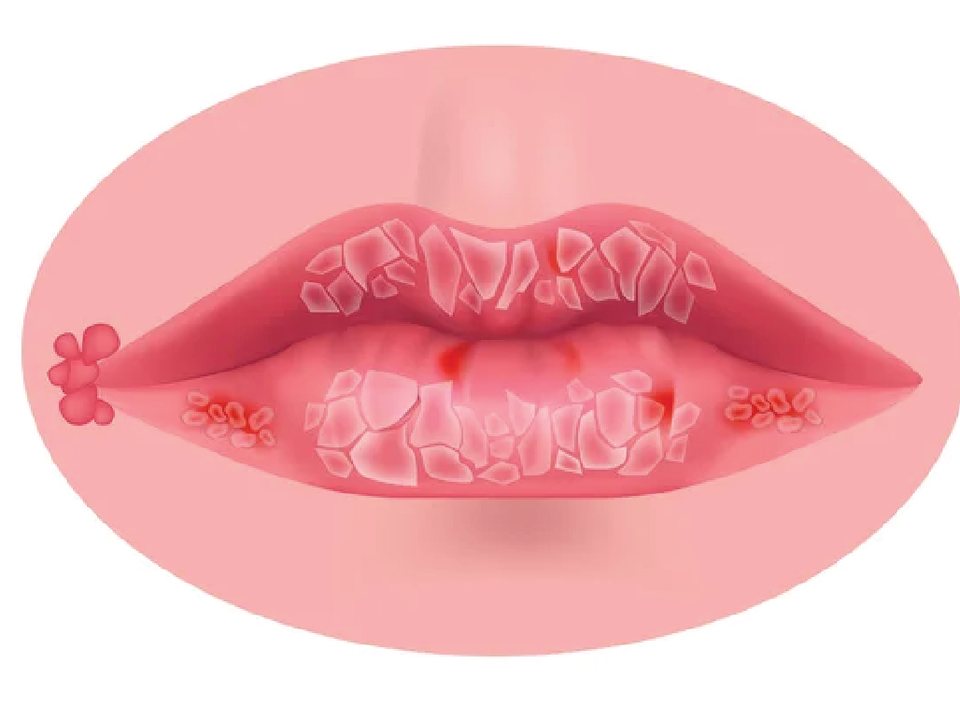
Xerostomia is a condition in which the mouth feels dry, generally related to reduced saliva production. Saliva helps moisten the mouth, makes swallowing easier, and protects the teeth. Therefore, a long-lasting dry mouth can increase the risk of oral health problems.
Dry mouth can be influenced by insufficient fluid intake, side effects of certain medicines, changes in health, or mouth breathing. Symptoms may include a sticky feeling in the mouth, difficulty swallowing dry food, cracked lips, or changes in taste.
How do you manage a dry mouth?
Drink water regularly, limit caffeinated drinks if they make the symptoms worse, and avoid smoking. Keep your teeth clean by brushing twice a day. Use a mouthwash to complement your oral hygiene routine and help keep your breath fresh.
Minosep, which contains Chlorhexidine Gluconate, helps control the microorganisms in the mouth that can contribute to bad breath. Using Minosep mouthwash also helps keep the mouth clean by reducing plaque buildup, according to the product’s function and directions.
Regular dental check-ups are also important, as reduced saliva can increase the risk of caries. If dry mouth persists, interferes with eating or sleeping, or comes with other symptoms, consult a doctor or dentist to find out the cause.
This information is educational and does not replace an examination or advice from a doctor or dentist. Use products according to the directions on the packaging.