


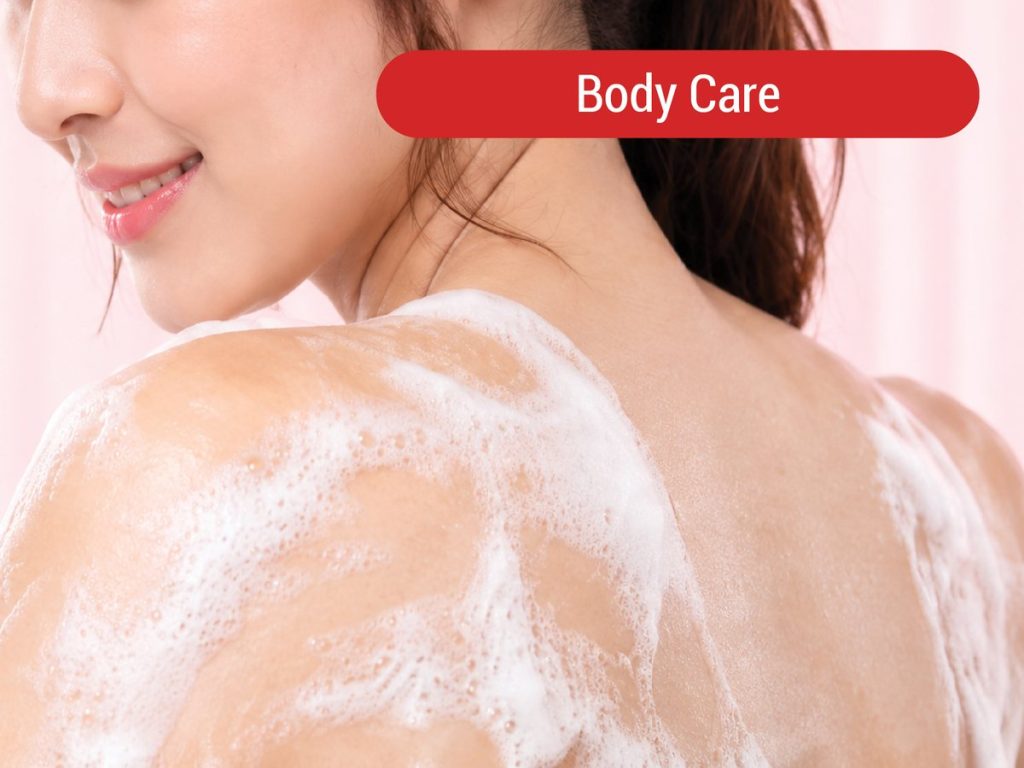
Acne does not only appear on the face. The back has many oil glands and is almost always covered by clothing, so it sweats easily and is prone to breakouts. This condition, also known as bacne, can lower your confidence, especially when wearing open-back clothing.
Causes of Back Acne
- Excess oil (sebum) mixed with dead skin cells that clogs pores.
- Bacteria on the skin that grow in clogged pores and trigger inflammation.
- Sweat left too long on the skin, for example after exercise.
- Friction and tight clothing that does not absorb sweat, including bag or backpack straps.
- Hormonal changes, for example during puberty, before menstruation, or due to stress.
- Leftover hair care products such as conditioner that stick to the back while showering.
- Genetic factors and diet in some people.
Note that small, uniform, itchy bumps on the back or chest may be fungal folliculitis rather than regular acne. The treatment is different, so consult a doctor if you are unsure.
How to Treat Back Acne
- Shower right away after sweating or exercising.
- Use a gentle antiseptic soap. Soap with chlorhexidine gluconate can help clean the skin of bacteria that cause skin problems.
- Rinse out conditioner first, then wash your back, so hair product residue does not clog pores.
- Do not squeeze pimples, as this can lead to infection and scarring.
- Consider products with benzoyl peroxide or salicylic acid for mild acne, according to the directions.
- Use a non-comedogenic moisturiser so your skin does not get too dry.
MINOSEP Antiseptic Body Wash is a liquid soap with 0.2% chlorhexidine gluconate and aloe vera that can be part of your daily shower routine to help keep the skin on your back clean from bacteria.
How to Prevent Back Acne
- Wear cotton or sweat-absorbing clothing that is not too tight.
- Change your workout clothes after use, and wash your bed sheets regularly.
- Avoid scrubbing your skin too hard in the shower.
- Choose sunscreen and body lotion labelled non-comedogenic.
- Keep a balanced diet and drink enough water.
When Should You See a Dermatologist?
- Large, hard, painful pimples (nodules or cysts).
- No improvement after 8–12 weeks of self-care.
- Acne that leaves scars or dark marks.
- Severe itching or acne that spreads quickly.
Conclusion
Back acne can usually be controlled with simple habits: showering after sweating, choosing the right soap, and wearing clothes that absorb sweat. If the acne does not improve or gets worse, do not hesitate to consult a dermatologist.
This article is for general information only and does not replace consultation, diagnosis, or treatment by a doctor or dentist. Use products according to the directions on the packaging.